
Getting Your Ex Back Without Ruining Everything (The Slow & Steady Approach)
Okay, so you want your ex back. I get it. Breakups suck, and sometimes, you realize you made a mistake, or maybe things just ended too soon. But rushing back into things is a recipe for disaster. This isn't about some cheesy pickup lines or desperate pleas; it's about rebuilding a connection with respect and a healthy dose of patience. Think of this as a marathon, not a sprint.
This guide is about taking the slow and steady approach. We’re going to unpack how to navigate this delicate situation without coming across as clingy, desperate, or pushy â€" all of which are major turn-offs.
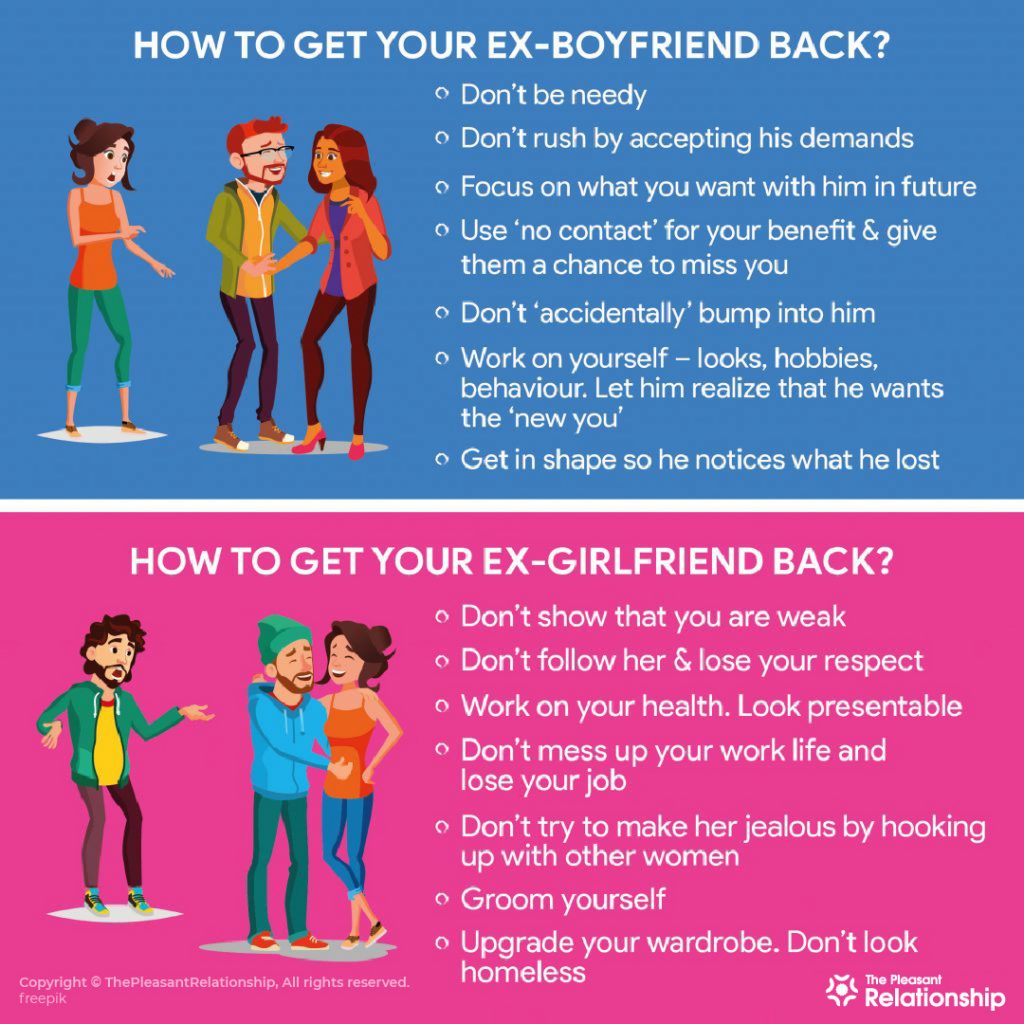
Step 1: The Necessary Time-Out (aka No Contact)
Before you even THINK about reaching out, you need some space. No contact is crucial. This doesn't mean you need to disappear forever, but it does mean no texts, no calls, no social media stalking (yes, I'm talking about you!), and absolutely no driving past their house. This period of no contact serves several vital purposes:
Why No Contact is Your Best Friend
- Gives them space to miss you: Absence makes the heart grow fonder, right? Allowing them some breathing room can actually make them realize what they've lost.
- Helps you heal and reflect: Breakups are emotionally draining. This time allows you to process your feelings, understand your role in the breakup, and figure out what you want to change (if anything).
- Rebuilds your self-worth: Often, when we're heartbroken, our self-esteem takes a hit. Focusing on yourself â€" your hobbies, your friendships, your personal growth â€" will make you feel more confident and attractive.
- Shows maturity and respect: Respecting their space demonstrates emotional intelligence and maturity, which are attractive qualities.
How long should no contact last? There's no magic number. It depends on the length and intensity of your relationship and the reason for the breakup. A good starting point is usually 30 days, but it could be longer. Listen to your intuition. You'll know when the time is right.
Step 2: Self-Improvement â€" Become the Best Version of You
This isn't about changing yourself to win them back; it's about becoming the best version of *you*. What were your passions before the relationship consumed you? What are your goals? What have you always wanted to try but haven't? Now is your chance.
Focusing on Yourself
- Reconnect with hobbies: Dust off that guitar, start painting again, or join a book club. Doing things you love will boost your mood and confidence.
- Focus on your health: Exercise, eat well, and get enough sleep. Taking care of your physical health will improve your mental health.
- Work on personal growth: Read self-help books, take a class, or work on a personal project. This shows you're committed to self-improvement.
- Spend time with loved ones: Nurture your friendships and family relationships. Their support will be invaluable during this time.
The point here isn't to make your ex jealous (although that might be a happy side effect!). It's about becoming a stronger, happier, and more well-rounded individual. When you feel good about yourself, it shows.
Step 3: The Re-entry â€" Casual and Low-Pressure Contact
After the no-contact period, you can start to re-enter their life, but slowly and casually. Avoid bombarding them with messages or demands. Think of it like gently reintroducing yourself into their world.
Low-Pressure Contact Strategies
- A simple, friendly text: Something like, "Hey, how are you doing?" or "Just wanted to see how things are going." Keep it light and brief.
- A casual run-in (if possible): If you share mutual friends or frequent the same places, a brief and friendly "hello" can work wonders.
- A shared activity (if appropriate): If you have a shared interest (like a favorite band or a book club), suggest a casual get-together with other people. This is less pressure than a one-on-one meeting.
The key here is to gauge their response. If they're receptive and engaging in conversation, you can gradually increase the frequency of contact. If they seem distant or uninterested, respect their space and don't push it.
Step 4: Honest Communication (and Active Listening!)
If things seem to be progressing positively, you can start to have more meaningful conversations. Be honest about your feelings, but avoid blaming or accusing. Focus on expressing your regrets, if any, and explaining what you've learned and changed.
Equally important is active listening. Hear what they have to say, and validate their feelings. This demonstrates respect and shows you're willing to work through any issues.
Step 5: Patience and Realistic Expectations
Getting back together isn't guaranteed. Even if you follow all these steps, there's no guarantee your ex will want to rekindle the relationship. Accept that possibility and be prepared for the potential of it not working out. You've done your part to make things right; the rest is up to them.
Be patient and give things time. Rebuilding trust and a connection takes time. Don't expect a quick fix or a fairytale ending. Focus on building a healthy and respectful relationship, even if that means staying friends.
Commonly Asked Questions
Q: How long should I wait before contacting my ex after a breakup?
A: There's no one-size-fits-all answer. At least 30 days is a good starting point, but the length of no-contact depends on the circumstances of the breakup and your relationship history.
Q: What if my ex is dating someone else?
A: If your ex is dating someone new, it might be best to respect their new relationship and focus on moving on. It might be time to accept the breakup and focus on yourself.
Q: What if my ex refuses to communicate?
A: Respect their decision. If they're unwilling to communicate or reconnect, it's important to accept that and move on. It's their choice, and you can't force them to change their mind.
Q: What if I mess up during the no-contact period?
A: Don't beat yourself up about it! We all make mistakes. Just acknowledge it, learn from it, and try to do better next time. If possible, apologize sincerely.
Q: Is it ever okay to apologize during the no-contact period?
A: It's generally best to avoid contact during the no-contact period. However, if you made a truly significant mistake that requires immediate correction (e.g., something hurtful), a short, sincere apology might be warranted. However, make sure it’s a brief message and that you don’t engage further.
Remember, this is a journey, not a race. Be kind to yourself, and prioritize your own well-being above all else. Good luck!


No comments:
Post a Comment
Note: Only a member of this blog may post a comment.