
Rekindling the Flame: Getting Back With Your Ex Through Healthy Communication
Okay, so you want your ex back. That's a big decision, and it's totally understandable to feel a whirlwind of emotions right now â€" hope, anxiety, maybe even a little bit of fear. But before you dive headfirst into a whirlwind of texts and late-night calls, let's talk about the *smartest* way to approach this: healthy communication. This isn't about manipulation or playing games; it's about genuine connection and figuring out if getting back together is truly the right move for *both* of you.Understanding Why Communication Matters (Seriously!)
Let's be real: relationships often crumble because of poor communication. Whether it was a lack of communication, miscommunication, or just plain bad communication, something broke down. Getting back together without addressing these underlying issues is like patching a hole in a sinking ship with a Band-Aid. It might seem to work for a moment, but it's likely to sink again.
Healthy communication, on the other hand, is the foundation of any strong relationship. It's about expressing your needs and listening actively to your partner's. It's about being open, honest, and respectful, even when things get tough. This is crucial if you're hoping to rebuild trust and create a healthier, more lasting connection this time around.
The First Step: No Contact (Yes, Really!)
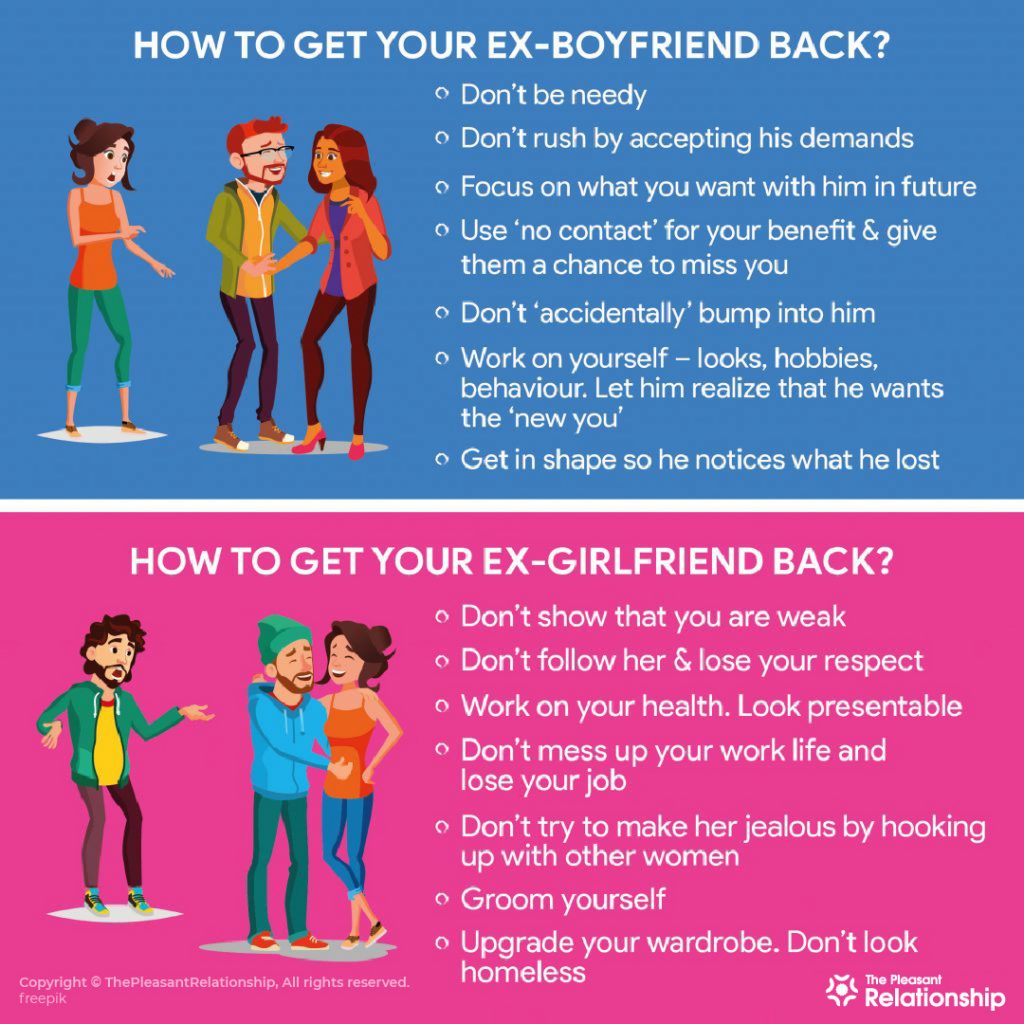
I know what you're thinking: "But I need to talk to them!" Hear me out. Before you even *think* about reaching out, give yourself and your ex some space. This isn't about playing hard to get; it's about giving both of you time to process the breakup, reflect on what went wrong, and clear your heads. The length of the "no contact" period depends on the length and intensity of your relationship and the circumstances of the breakup. A good rule of thumb is at least a couple of weeks, but it could be longer.
What to Do During No Contact
Use this time wisely! Don't just sit around moping. This is your chance to work on *yourself*.
- Reflect on the relationship: What went wrong? What were your roles in the problems? What could you have done differently?
- Focus on self-improvement: Work on those things you’ve been putting off. Hit the gym, read a book, learn a new skill, reconnect with friends. Anything that makes you feel good about yourself.
- Practice self-care: Prioritize your mental and physical health. Eat well, exercise, get enough sleep, and engage in activities that bring you joy.
Reaching Out: The Art of the Gentle Approach
After the no-contact period, reaching out requires a delicate touch. Don't jump straight into discussing getting back together. Start with a simple, casual message. Avoid anything accusatory or overly emotional. Think something like, "Hey, I was thinking about [shared memory/inside joke] the other day. It made me smile." This sets a friendly, non-threatening tone.
Keeping the Conversation Healthy
Once the conversation starts flowing, here's how to maintain healthy communication:
- Active listening: Really listen to what your ex is saying, without interrupting or formulating your response. Show genuine interest and empathy.
- "I" statements: Frame your thoughts and feelings using "I" statements to avoid blaming or sounding accusatory. For example, instead of saying "You always make me feel..." try "I felt..."
- Avoid negativity: Don't dwell on past arguments or mistakes. Focus on the present and the potential for a better future, *if* that's what you both want.
- Be honest and upfront: Don't beat around the bush. If you want to get back together, say so. But also be prepared to hear their answer, even if it's not what you hoped for.
- Set boundaries: Communicate your needs and expectations clearly. What are you willing to compromise on? What are your non-negotiables?
- Take breaks if needed: If the conversation gets heated, take a break to cool down before continuing. It’s better to have a productive conversation than a blow-up.
Addressing the Elephant in the Room: The Breakup Itself
Inevitably, you'll need to discuss *why* the relationship ended. This is crucial for moving forward. Approach this conversation with honesty and empathy. Don't place blame solely on your ex. Own your part in the breakup. Ask open-ended questions to encourage them to share their perspective. Listening to their perspective is just as important as sharing your own.
Moving Forward: Rebuilding Trust and Commitment
If you decide to give your relationship another try, remember that rebuilding trust takes time and effort. Consistency in healthy communication is key. Continue to prioritize active listening, honesty, and respect. Be willing to compromise and work through disagreements constructively. If you both commit to working on yourselves and the relationship, there's a chance for a stronger, healthier connection this time around.
Knowing When to Walk Away
Sometimes, despite your best efforts, getting back together might not be the right choice. If your ex is unwilling to address the issues that caused the breakup, if they are unwilling to work towards a healthier relationship, or if you feel constantly stressed or unhappy, it might be time to accept that the relationship isn't meant to be. It's okay to walk away, even if it hurts. Your happiness and well-being are paramount.
Frequently Asked Questions
Q: How long should I wait before contacting my ex?
A: There's no magic number, but generally, a couple of weeks to a month is a good starting point. It depends on the severity of the breakup and your individual circumstances.
Q: What if my ex doesn't want to talk to me?
A: Respect their decision. If they aren't ready to communicate, pressuring them will only push them further away. Focus on your own well-being.
Q: What if we get back together and it doesn't work out again?
A: It's painful, but it's a possibility. Try to learn from the experience and move on. You did your best, and that's all you can do.
Q: Should I apologize?
A: If you feel you've made mistakes, a genuine apology can be helpful. But don't apologize for who you are; apologize for specific actions you regret.
Q: How do I know if this is the right decision?
A: Trust your gut. Do you feel genuinely happy and supported by your ex? Are you both willing to put in the work to create a healthier relationship? If the answer is yes to both, then it might be the right decision.
Remember, getting back together with an ex is a complex process. There's no guarantee of success, but by focusing on healthy communication and self-reflection, you significantly increase your chances of building a stronger, more fulfilling relationship â€" if that's truly what you both want.


No comments:
Post a Comment
Note: Only a member of this blog may post a comment.